Reasearching Sound in films:
Today i am going to be talking about sound and how it is used in cinema and how much it really effects us the audience. Sound is the noices you hear when watching a movie sound is used in films to create an understanding for the audience and to create more meaning about a character and their emotion in a scene sound is one of the most important things in cinema this gives scenes an atmosphere they would not have with out it for example a horror movie without sound would not be scarey at all because the sound is not creating the horror movie atmosphere for the film.
Diegetic Sound-
Diegetic sound is sound which is part of a the film world e.g. dialogue, music from a radio or juke box. Diegetic sound can be on or off screen in a scene.
Non-Diegetic Sound-
Non diegetic sound is the opposite to diegetic it is sound that is not part of the film world and has been added into through editing e.g. a soundtrack, sound effects and voice overs
On Screen Sound-
On screen sound is sound that you can see where it is coming from for example a radio in a car.
Off Screen Sound-
Off screen sound is souns you can hear but can not see where it is coming from, but it makes sense to the film world e.g. traffic sound and coughing.
Parallel Sound-
Parallel sound is when the sound you hear in a film is what is expected e.g. a scene with children playing on a beach the parallel sounds would be laughter, talking and the sea.
Contrapuntal Sound-
Contrapuntal sound is when the sound does not fit in the movie you are viewing a exaample of this is Jaws. The scenes of the beach are accompanied by the contrapuntal sound of the theme tune "durdur" which does not fit with the happy images of the scene.
My reasearch on sound has helped me to understand how sound can be used to affect the audience in films this will help make my thriller a better film as i now know how i can use sound to affect the audience who watch my thriller.
Monday, 23 September 2013

Tuesday, 17 September 2013
Reasearch: Cinematography
Reasearcing Cinematography
Today I am going to be researching cinematography. Cinematography is the different angles and ways that you move the camera in cinema. All of these different types of things change the scenes of movies to make them look different to the rest. All these things give the audience a different representation of the character and allow the audience to respond in different ways.
XLS-
In photography, filmmaking and video production, a long shot (sometimes referred to as a full shot or a wide shot) typically shows the entire object or human figure and is usually intended to place it in some relation to its surroundings. A long shot makes the audience feel like the object is far away and they do not have to worry about.

LS-
A long shot typically shows the entire object or human figure and is usually intended to place it in some relation to its surroundings.

MS-
The medium shot is the most common shot used in movies. Every shot that isn't a long shot or close up is a medium shot. Medium shots can be shot with any lens, but generally a medium lens is a lens that has the least amount of distortion, which is the same as to say that it photographs people and scenery in the way you normally see them in true perspective.
 CU-
CU-
In the close-up shot, a certain feature or part of the subject takes up most of the frame. A close up of a person usually means a close up of their face close-ups are obviously useful for showing detail and can also be used as a cut-in. A close-up of a person emphasizes their emotional state.

ECU-
The extreme close up gets right up close up and shows extreme detail. You would normally need a specific reason to get this close. It is too close to show general reactions or emotion except in very dramatic scenes.

ES-
An establishing shot in filmmaking and television production sets up, or establishes the context for a scene by showing the relationship between its important figures and objects. It is generally a long- or extreme-long shot at the beginning of a scene indicating where, and sometimes when, the remainder of the scene takes place.

HA-
In film a high angle shot is usually when the camera angle is located above the eye line. With this type of angle, the camera looks down on the subject and the point of focus. High angle shots also make the figure or object seem vulnerable or powerless. High angle shots are usually used in film to make the moment more dramatic or if there is someone at a high level that the character below is talking to.

LA-
In cinematography, a low-angle shot is a shot from a camera angle positioned low on the vertical axis, anywhere below the eye line, looking up. The trunk shot is a specialized type of low-angle shot. This angle is used to make someone look powerful and dominant.
Panning Shot-
A pan shot is where you pan at the same pace as a moving subject so the background is blured and the subject is sharper.

Tilt Shot-
Camera angle that looks up or down at the object being photographed, instead of being on the same level. Tilt shots are usually more dramatic than straight-angle shots. Tilting the camera down is used to observe large areas this could be used in films where there is alot of action. Tilting the camera up is used to show the size of a object.
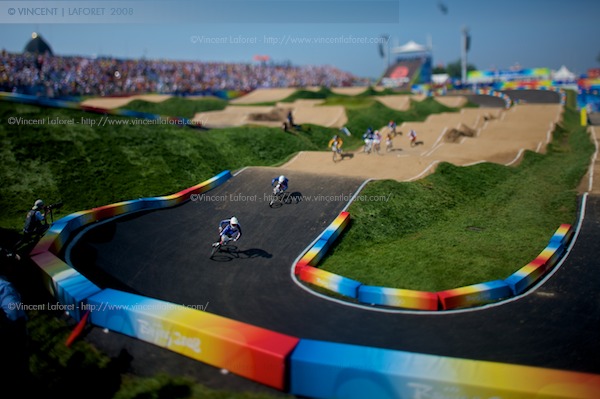
Crane Shot-
Crane shot is a shot taken by a camera on a crane. The uses of this shot are to view the actors from above or to move up and away from them this camera shot is a very common way of ending a movie.

Point of View Shot-
A point of view shot is a short film scene that shows what a character is looking at. It is usually established by being positioned between a shot of a character looking at something, and a shot showing the character's reaction.

Handheld Shot-
A handheld shot is the camera is held in the persons hands while filming this creates a real life feel to the film and is comonly used in thriller or horror films.

Today I am going to be researching cinematography. Cinematography is the different angles and ways that you move the camera in cinema. All of these different types of things change the scenes of movies to make them look different to the rest. All these things give the audience a different representation of the character and allow the audience to respond in different ways.
XLS-
In photography, filmmaking and video production, a long shot (sometimes referred to as a full shot or a wide shot) typically shows the entire object or human figure and is usually intended to place it in some relation to its surroundings. A long shot makes the audience feel like the object is far away and they do not have to worry about.
LS-
A long shot typically shows the entire object or human figure and is usually intended to place it in some relation to its surroundings.
MS-
The medium shot is the most common shot used in movies. Every shot that isn't a long shot or close up is a medium shot. Medium shots can be shot with any lens, but generally a medium lens is a lens that has the least amount of distortion, which is the same as to say that it photographs people and scenery in the way you normally see them in true perspective.
In the close-up shot, a certain feature or part of the subject takes up most of the frame. A close up of a person usually means a close up of their face close-ups are obviously useful for showing detail and can also be used as a cut-in. A close-up of a person emphasizes their emotional state.
ECU-
The extreme close up gets right up close up and shows extreme detail. You would normally need a specific reason to get this close. It is too close to show general reactions or emotion except in very dramatic scenes.
ES-
An establishing shot in filmmaking and television production sets up, or establishes the context for a scene by showing the relationship between its important figures and objects. It is generally a long- or extreme-long shot at the beginning of a scene indicating where, and sometimes when, the remainder of the scene takes place.

HA-
In film a high angle shot is usually when the camera angle is located above the eye line. With this type of angle, the camera looks down on the subject and the point of focus. High angle shots also make the figure or object seem vulnerable or powerless. High angle shots are usually used in film to make the moment more dramatic or if there is someone at a high level that the character below is talking to.
LA-
In cinematography, a low-angle shot is a shot from a camera angle positioned low on the vertical axis, anywhere below the eye line, looking up. The trunk shot is a specialized type of low-angle shot. This angle is used to make someone look powerful and dominant.
Panning Shot-
A pan shot is where you pan at the same pace as a moving subject so the background is blured and the subject is sharper.
Tilt Shot-
Camera angle that looks up or down at the object being photographed, instead of being on the same level. Tilt shots are usually more dramatic than straight-angle shots. Tilting the camera down is used to observe large areas this could be used in films where there is alot of action. Tilting the camera up is used to show the size of a object.
Crane Shot-
Crane shot is a shot taken by a camera on a crane. The uses of this shot are to view the actors from above or to move up and away from them this camera shot is a very common way of ending a movie.
Point of View Shot-
A point of view shot is a short film scene that shows what a character is looking at. It is usually established by being positioned between a shot of a character looking at something, and a shot showing the character's reaction.

Handheld Shot-
A handheld shot is the camera is held in the persons hands while filming this creates a real life feel to the film and is comonly used in thriller or horror films.
Thursday, 12 September 2013
Reasearch: What is a thriller
What is a genre?
A genre is a category that a film would fall under that will show you what you can expect from the film you are about to watch. It is important to know what a genre is so that you will be able to enjoy the film you are about to watch for example if you went to watch drag me to hell and you did not know what the horror genre is you would not like the film.
What is the definition of thriller?
A thriller is a suspenseful and exciting genre that will keep the audience on the edge of their seat throughout the whole film.
Examples of thrillers?
The dark knight rises:

The dark knight rises is set Eight years on when a new evil rises from where the Batman and Commissioner Gordon tried to bury it, causing the Batman to resurface and fight to protect Gotham City the very city which brands him an enemy.

Se7en:
_poster.jpg)
Two detectives, a rookie and a veteran, hunt a serial killer who uses the seven deadly sins as his modus operandi.
The sub genres of thriller?
There are many sub genres of thriller here are a few that i know Action, Mystery, Historical, Erotic, Psychological, Crime, Supernatural and Sci-fi these are all sub genres that can be related to the thriller genre.
Common themes in thrillers?
Some of the most common themes in thrillers are good vs evil (this is the idea of a hero fighting against evil and saving whoever is in danger), dark setting, thriller narrative, isolated areas, scary setting e.g. haunted house, children, and suspenseful music.
What is the typicle audience reaction to thriller films?
When watching a thriller film it is typical that the audience will be scared by things like jump scares this will make a lot of people feel very tense while watching the film waiting for the next one to pop up it will keep the audience on the edge of their seat and keep them interested to see what will happen next in the movie.
How does this help me understand the course?
This helps me understand the course because it is showing what I am going to be looking at and what I will expect from the topic I am study in this course it gives a more detailed and wider understanding of thriller and how people and helps me improve my knowledge so I will find the topic much easier to understand.
A genre is a category that a film would fall under that will show you what you can expect from the film you are about to watch. It is important to know what a genre is so that you will be able to enjoy the film you are about to watch for example if you went to watch drag me to hell and you did not know what the horror genre is you would not like the film.
What is the definition of thriller?
A thriller is a suspenseful and exciting genre that will keep the audience on the edge of their seat throughout the whole film.
Examples of thrillers?
The dark knight rises:
The dark knight rises is set Eight years on when a new evil rises from where the Batman and Commissioner Gordon tried to bury it, causing the Batman to resurface and fight to protect Gotham City the very city which brands him an enemy.
The da vinci code:
A murder inside the Louvre and clues in Da Vinci paintings lead to the discovery of a religious mystery protected by a secret society for two thousand years which could shake the foundations of Christianity. Se7en:
Two detectives, a rookie and a veteran, hunt a serial killer who uses the seven deadly sins as his modus operandi.
The sub genres of thriller?
There are many sub genres of thriller here are a few that i know Action, Mystery, Historical, Erotic, Psychological, Crime, Supernatural and Sci-fi these are all sub genres that can be related to the thriller genre.
Common themes in thrillers?
Some of the most common themes in thrillers are good vs evil (this is the idea of a hero fighting against evil and saving whoever is in danger), dark setting, thriller narrative, isolated areas, scary setting e.g. haunted house, children, and suspenseful music.
What is the typicle audience reaction to thriller films?
When watching a thriller film it is typical that the audience will be scared by things like jump scares this will make a lot of people feel very tense while watching the film waiting for the next one to pop up it will keep the audience on the edge of their seat and keep them interested to see what will happen next in the movie.
How does this help me understand the course?
This helps me understand the course because it is showing what I am going to be looking at and what I will expect from the topic I am study in this course it gives a more detailed and wider understanding of thriller and how people and helps me improve my knowledge so I will find the topic much easier to understand.
Subscribe to:
Comments (Atom)