Today I am going to be researching cinematography. Cinematography is the different angles and ways that you move the camera in cinema. All of these different types of things change the scenes of movies to make them look different to the rest. All these things give the audience a different representation of the character and allow the audience to respond in different ways.
XLS-
In photography, filmmaking and video production, a long shot (sometimes referred to as a full shot or a wide shot) typically shows the entire object or human figure and is usually intended to place it in some relation to its surroundings. A long shot makes the audience feel like the object is far away and they do not have to worry about.

LS-
A long shot typically shows the entire object or human figure and is usually intended to place it in some relation to its surroundings.

MS-
The medium shot is the most common shot used in movies. Every shot that isn't a long shot or close up is a medium shot. Medium shots can be shot with any lens, but generally a medium lens is a lens that has the least amount of distortion, which is the same as to say that it photographs people and scenery in the way you normally see them in true perspective.

In the close-up shot, a certain feature or part of the subject takes up most of the frame. A close up of a person usually means a close up of their face close-ups are obviously useful for showing detail and can also be used as a cut-in. A close-up of a person emphasizes their emotional state.

ECU-
The extreme close up gets right up close up and shows extreme detail. You would normally need a specific reason to get this close. It is too close to show general reactions or emotion except in very dramatic scenes.

ES-
An establishing shot in filmmaking and television production sets up, or establishes the context for a scene by showing the relationship between its important figures and objects. It is generally a long- or extreme-long shot at the beginning of a scene indicating where, and sometimes when, the remainder of the scene takes place.

HA-
In film a high angle shot is usually when the camera angle is located above the eye line. With this type of angle, the camera looks down on the subject and the point of focus. High angle shots also make the figure or object seem vulnerable or powerless. High angle shots are usually used in film to make the moment more dramatic or if there is someone at a high level that the character below is talking to.

LA-
In cinematography, a low-angle shot is a shot from a camera angle positioned low on the vertical axis, anywhere below the eye line, looking up. The trunk shot is a specialized type of low-angle shot. This angle is used to make someone look powerful and dominant.
Panning Shot-
A pan shot is where you pan at the same pace as a moving subject so the background is blured and the subject is sharper.

Tilt Shot-
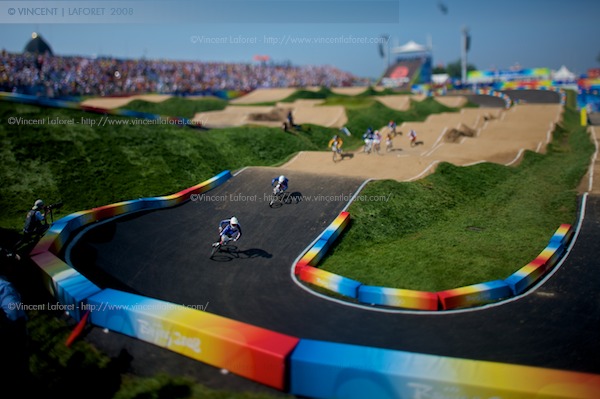
Camera angle that looks up or down at the object being photographed, instead of being on the same level. Tilt shots are usually more dramatic than straight-angle shots. Tilting the camera down is used to observe large areas this could be used in films where there is alot of action. Tilting the camera up is used to show the size of a object.
Crane Shot-
Crane shot is a shot taken by a camera on a crane. The uses of this shot are to view the actors from above or to move up and away from them this camera shot is a very common way of ending a movie.

Point of View Shot-
A point of view shot is a short film scene that shows what a character is looking at. It is usually established by being positioned between a shot of a character looking at something, and a shot showing the character's reaction.

Handheld Shot-
A handheld shot is the camera is held in the persons hands while filming this creates a real life feel to the film and is comonly used in thriller or horror films.


Jordan, you provide a good examples from thrillers when discussing definitions, perhaps you should analyse this image using PEER, drawing upon audience response too. All terms looked at in class are featured within your post.
ReplyDeleteTo improve;
-in your introduction, state why cinematography is an important micro-element? What information can it give to the audience?
-all example should be from the thriller genre
-Thriller scene analysis. Analyse a scene identifying three effective uses of cinematography – use PEER
-Conclusion: what types of cinematography are you now planning to use and why?